Halal Korean Cosmetics Wholesale: Global Import Guide
Learn how to source Halal Korean cosmetics wholesale. Navigate BPJPH, JAKIM, and GCC standards with our expert B2B K-beauty import checklist.
목차
The Rise of Halal Korean Cosmetics Wholesale Demand
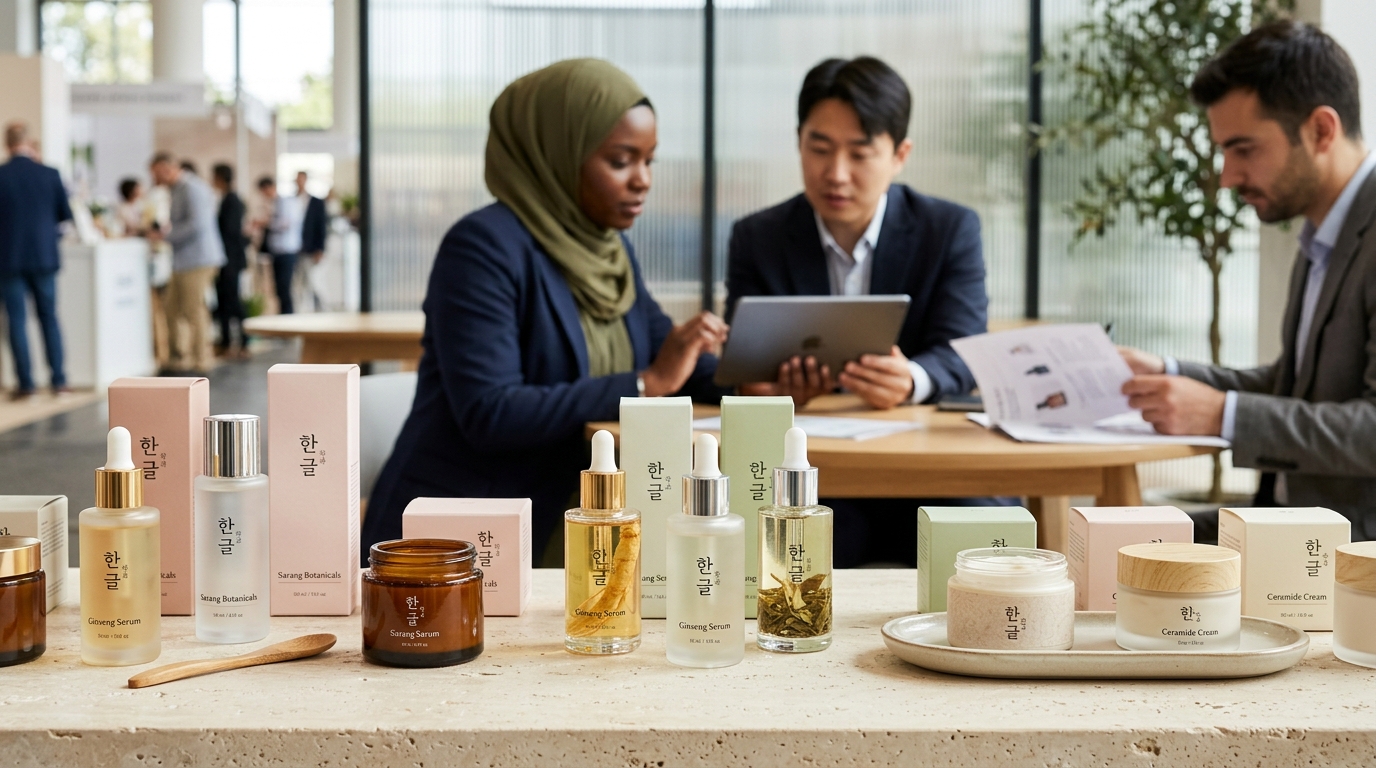
Sourcing Halal Korean cosmetics wholesale options is now a major priority for global distributors. With the rapid expansion of clean beauty across Southeast Asia and the Middle East, importers need reliable compliance paths.
Before you begin importing, it is essential to learn how AAMOND Beauty works for buyers to streamline your international transactions.
According to KOTRA export data, the global market for Halal-compliant personal care products is growing at over 6% annually. This growth presents a massive commercial opportunity for retailers in Malaysia, Indonesia, and the GCC.
Understanding Mutual Recognition for Halal K-Beauty
Navigating international certification requires knowing which domestic standards apply. Korean certification bodies like the Korea Muslim Federation (KMF) have established mutual recognition agreements (MRAs) with global authorities.
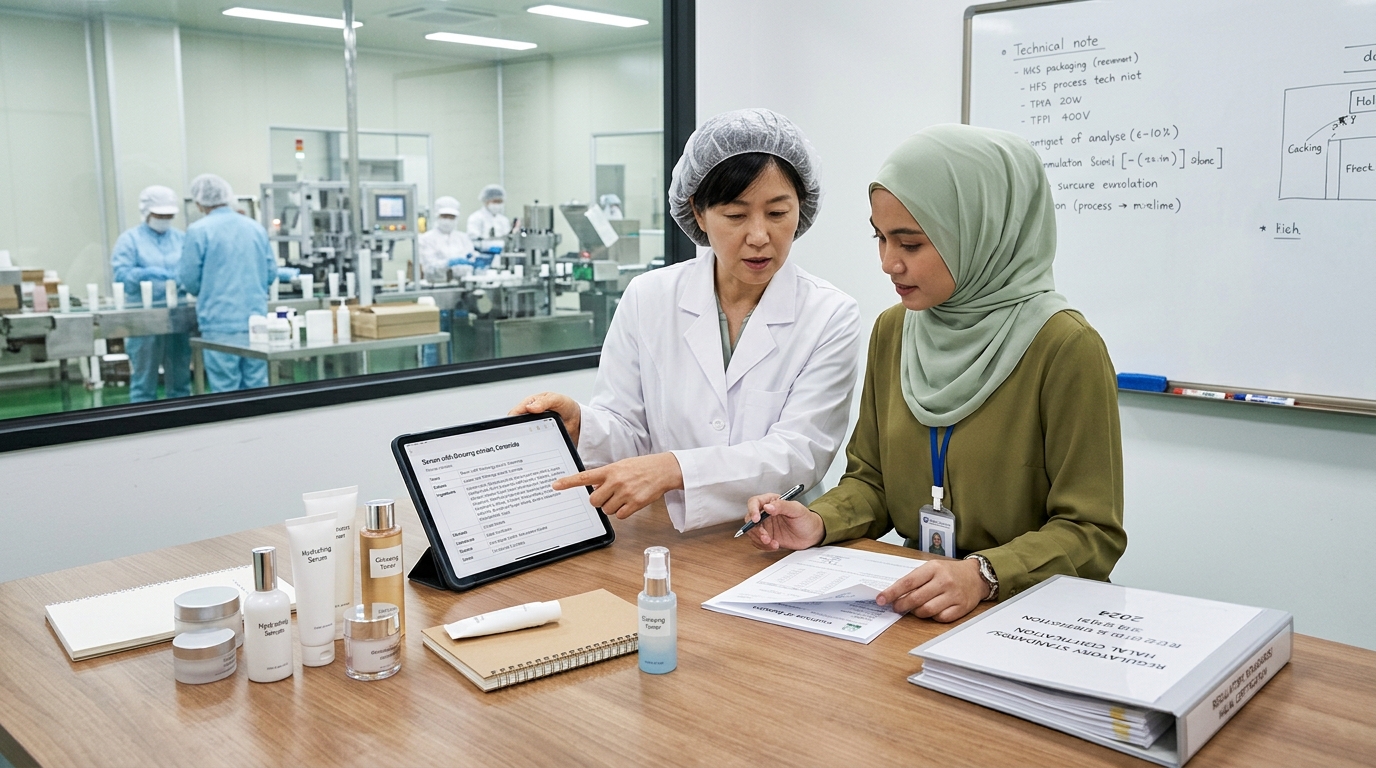
This alignment is crucial. It means products certified by KMF are often recognized by JAKIM in Malaysia and BPJPH in Indonesia, streamlining the traditional import process.
One Korean skincare manufacturer successfully utilized KMF certification to bypass lengthy domestic testing in Kuala Lumpur, cutting their time-to-market by six months.
Import Regulations in Malaysia, Indonesia, and the GCC
To sell in Indonesia, companies must comply with BPJPH Halal cosmetics import regulations under UU No. 33/2014. This law mandates clear Halal labeling on all compliant cosmetics.
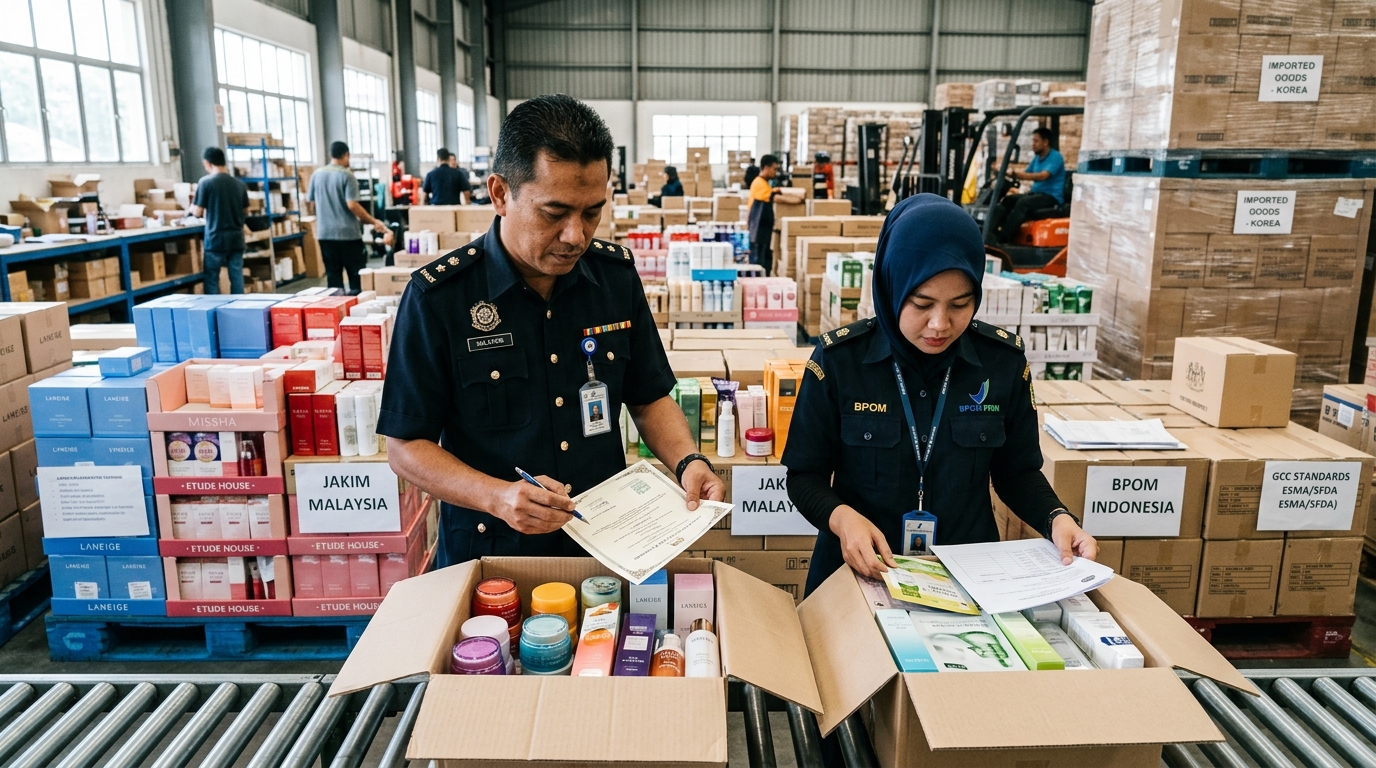
For Malaysia, importers must secure cosmetic notification from the National Pharmaceutical Regulatory Agency (NPRA) while validating JAKIM approved Korean cosmetics credentials.
In the GCC region, adherence to GSO standards is required. Importers must verify that production facilities comply with ISO 22716 GMP standards to pass rigorous Middle Eastern customs.
A major brand registered with Korea's Ministry of Food and Drug Safety (MFDS) restructured its supply chain to meet these GCC requirements, achieving seamless entry into Saudi Arabia.
Critical Ingredients to Screen in K-Beauty Formulations
Importers must carefully evaluate product formulation sheets. Common Korean skincare ingredients like snail mucin, collagen, and glycerin often require strict verification regarding their animal or synthetic origin.
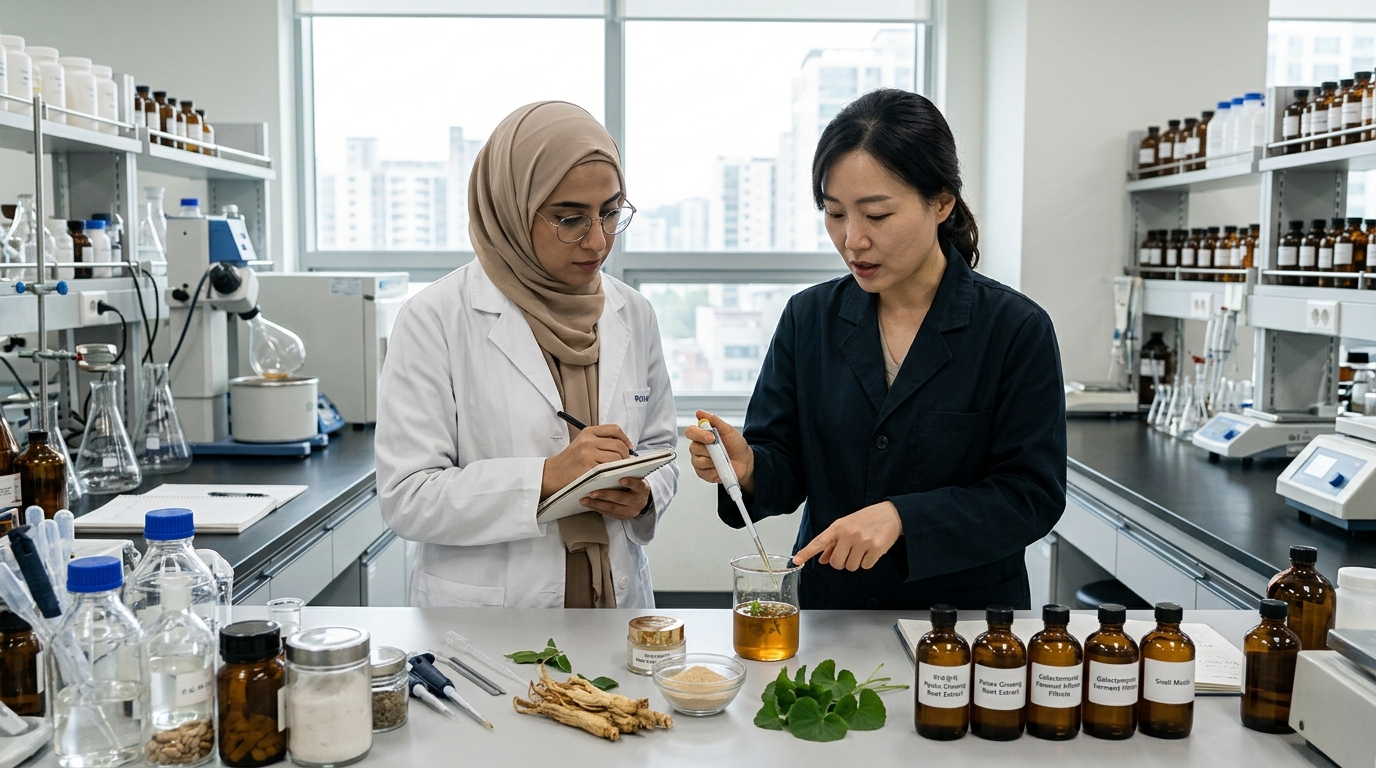
You should always request a detailed Certificate of Analysis (CoA) from your manufacturing partners. This document verifies the absence of non-Halal animal derivatives and prohibited alcohol solvents.
To explore compliant formulations, you can browse verified K-beauty suppliers who specialize in clean, animal-free, and Halal-certified ingredients.
Sourcing Verified Halal K-Beauty Suppliers on AAMOND
Sourcing trustworthy partners is simple when utilizing B2B platforms. You can screen manufacturers based on their current export certifications, manufacturing practices, and compliance history.

Always ask potential suppliers about their cross-contamination prevention protocols. It is vital to ensure that Halal batches are processed on dedicated, clean production lines.
By partnering with vetted suppliers, you protect your brand reputation and ensure smooth customs clearance. Ready to scale your inventory? Access Halal Korean cosmetics wholesale channels and secure your next shipment.
To get started with custom sourcing and negotiate directly with top manufacturers, Start your sourcing request today.
Q: Are all vegan Korean cosmetics automatically considered Halal?
No. While vegan cosmetics do not contain animal-derived ingredients, they can still contain alcohol solvents or be manufactured on shared lines with non-Halal products, failing strict Halal compliance.
Q: How do I check if a Korean cosmetics supplier is recognized by JAKIM or BPJPH?
You can check the official JAKIM or BPJPH registries for recognized foreign Halal certification bodies. Korean organizations like KMF and KHA have mutual recognition agreements with these agencies.
Q: What documentation must Korean suppliers provide for smooth customs clearance in the GCC?
Importers need a valid Halal certificate from a recognized body, a Certificate of Analysis (CoA), a Certificate of Free Sale from the MFDS, and proof of ISO 22716 GMP compliance.