Cosmetic Labeling Requirements by Country: A B2B Guide
An essential B2B guide on cosmetic labeling requirements by country for importers sourcing Korean skincare and beauty brands. Learn regional compliance rules.
On this page
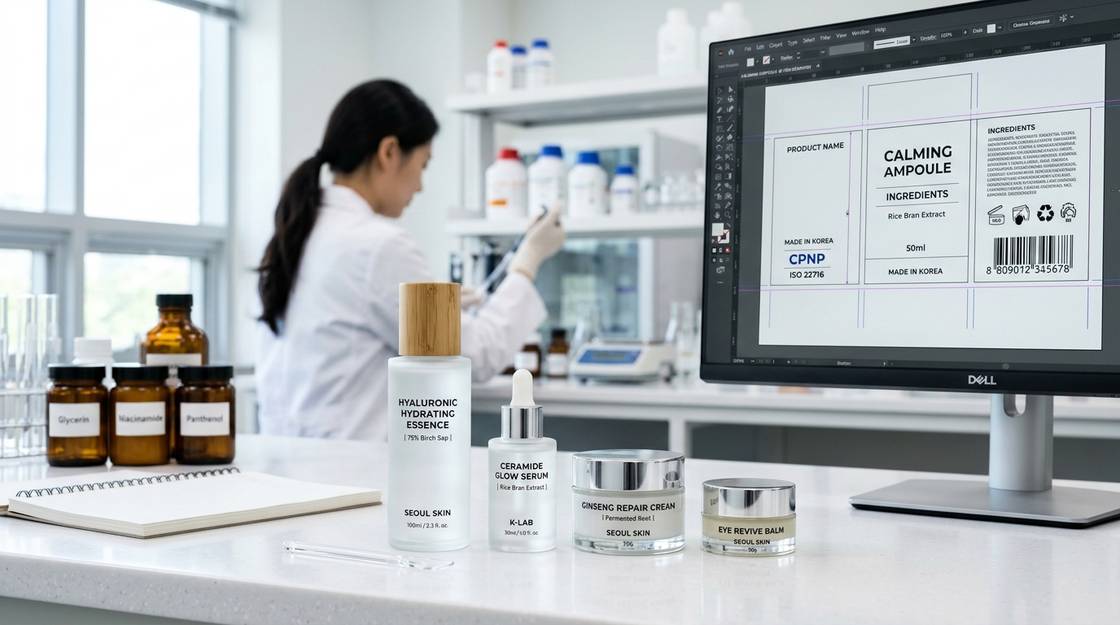
Understanding **cosmetic labeling requirements by country** is crucial for international beauty distributors. Incorrect labeling is the leading cause of customs detentions and rejections for imported cosmetics.
According to KOTRA export data, labeling non-compliance remains a top reason for shipment rejections globally. Western buyers must verify that Korean suppliers understand Western compliance rather than relying on domestic Korean packaging.
Before finalizing imports, smart buyers must align label artwork with destination markets. You can learn how AAMOND Beauty works for buyers to easily connect with compliant manufacturers.
Navigating Cosmetic Labeling Requirements by Country: US and EU
For the US market, the FDA mandates specific elements including an Identity Statement, Net Quantity, Ingredient List using INCI names, and domestic distributor details.
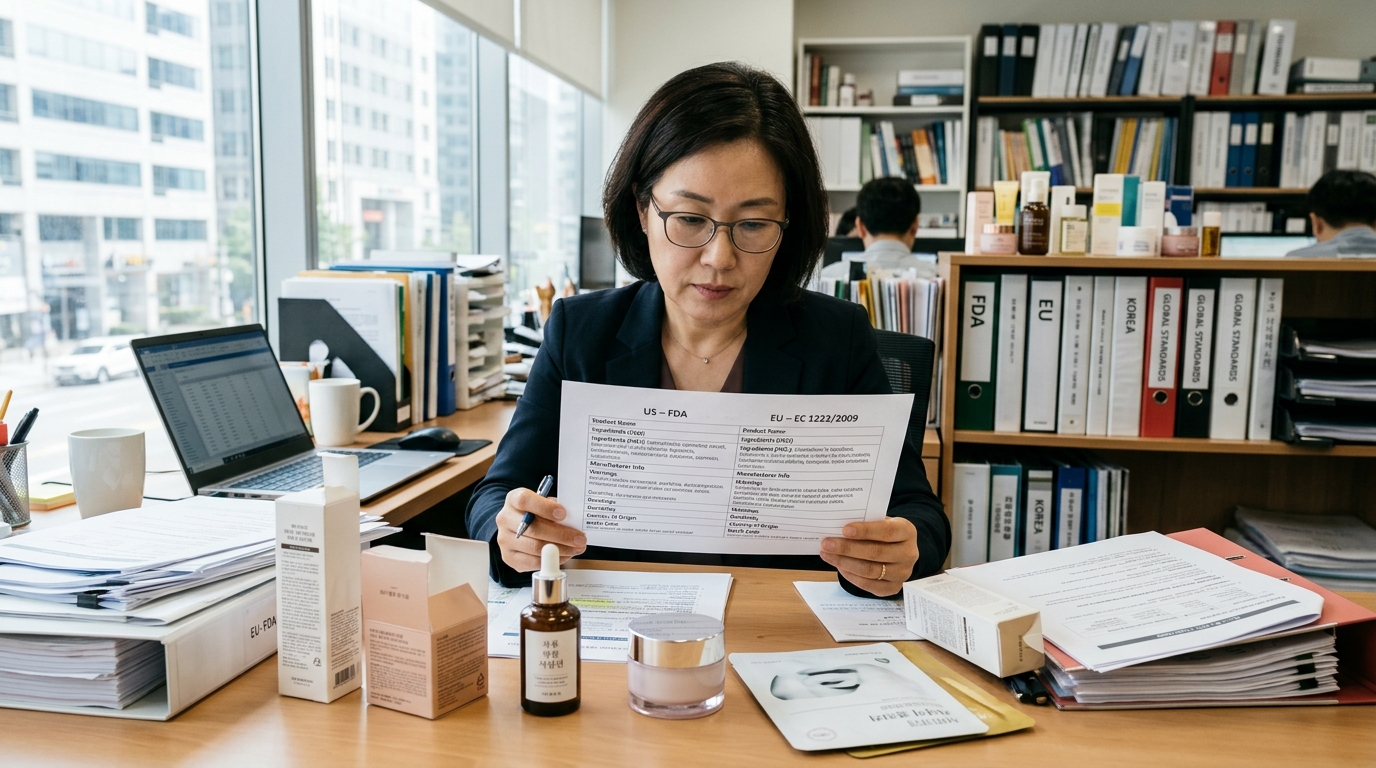
Additionally, MoCRA guidelines now require a US-based address or contact info on the outer label for adverse event reporting. Distinguishing between cosmetic and OTC drug labeling (such as sunscreens) is critical.
For instance, a California-based distributor importing a popular Korean sunscreen recently faced a customs hold. Under FDA rules, sunscreens are classified as OTC drugs, requiring drug facts panels and distinct labeling compared to standard Korean skincare.
In the EU, compliance requires listing a European Responsible Person on both primary and secondary packaging. The Period After Opening symbol and member-state language translations are also mandatory.
Emerging Markets: GCC, ASEAN, and LATAM Regulations
GCC member states impose strict rules regarding Halal claims, prohibited ingredients such as pork or alcohol derivatives, and mandatory Arabic translations on all labels.
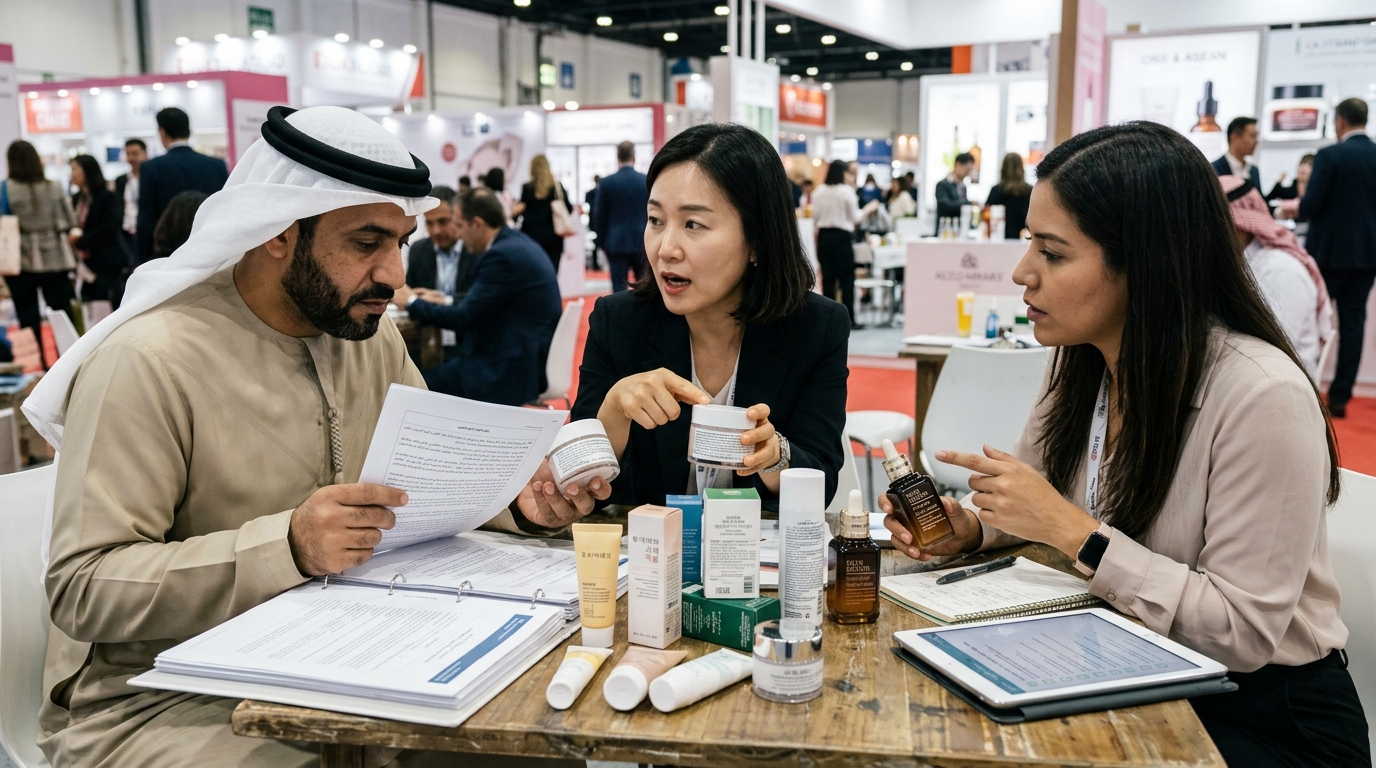
ASEAN nations follow the ASEAN Cosmetic Directive. While this framework heavily mirrors the EU model, it still requires localized importer registration details to be printed clearly.
In Latin America, country-specific health authorities like ANVISA in Brazil or COFEPRIS in Mexico demand unique, localized registration numbers displayed directly on the retail packaging.
Analyzing Critical Labeling and Formulation Differences
Ingredients nomenclature discrepancies are common. For example, botanical naming variations between US FDA and EU regulations can complicate printing a single universal label.

Warning statements and mandatory font sizes also differ across jurisdictions. Active ingredient claims can suddenly shift a cosmetic classification into a drug depending on the destination market.
A recent MoCRA-registered supplier found that they had to design completely separate packaging artworks for the US and Europe to satisfy both EU RP requirements and US adverse event contact regulations.
Vetting Your Korean Cosmetics Supplier for Compliance
When evaluating potential partners, ask their R&D team detailed questions about international regulatory export experience. Ensure they can handle artwork modifications and dual-language printing.

To simplify this process, you can browse verified K-beauty suppliers on AAMOND Beauty. Our platform helps you coordinate directly with export-ready manufacturers.
Conclusion
Successfully launching your brand requires a clear understanding of global compliance. To avoid costly customs detentions, buyers must master **cosmetic labeling requirements by country** and choose compliant manufacturing partners.

AAMOND Beauty streamlines your procurement workflow, ensuring your packaging is ready for global shelves. Start your sourcing request today.
Q: Can I import Korean cosmetics with their original Korean labels if I apply an English sticker?
Generally, yes, you can apply over-stickers (re-labeling) to comply with destination market laws. However, this over-sticker must completely cover any non-compliant information and include all legally required details, such as the local distributor details, in the correct language and format mandated by local regulations.
Q: How does the US MoCRA law affect labeling for K-beauty brands?
MoCRA introduces several updates, including mandatory listing of a US-based address, phone number, or electronic contact info on the label so consumers can report adverse events. It also requires the disclosure of fragrance allergens on the label, which was previously not mandated under US FDA rules.
Q: Who is responsible for the accuracy of the cosmetic label—the buyer or the Korean manufacturer?
Legally, the importer of record or the designated local Responsible Person is responsible for compliance in the destination market. However, a reliable Korean manufacturer should provide accurate ingredient breakdowns (INCI), allergen listings, and accommodate packaging artwork adjustments to help you meet those standards.