Korean Cosmetics Suppliers: 2026 Export Landscape
Evaluate verified Korean cosmetics suppliers for 2026. Discover crucial market trends, FDA MoCRA compliance guidance, and how to source safely using AAMOND.
On this page
Evaluating Korean Cosmetics Suppliers in 2026
Evaluating Korean cosmetics suppliers for your 2026 product line requires a strategic approach.
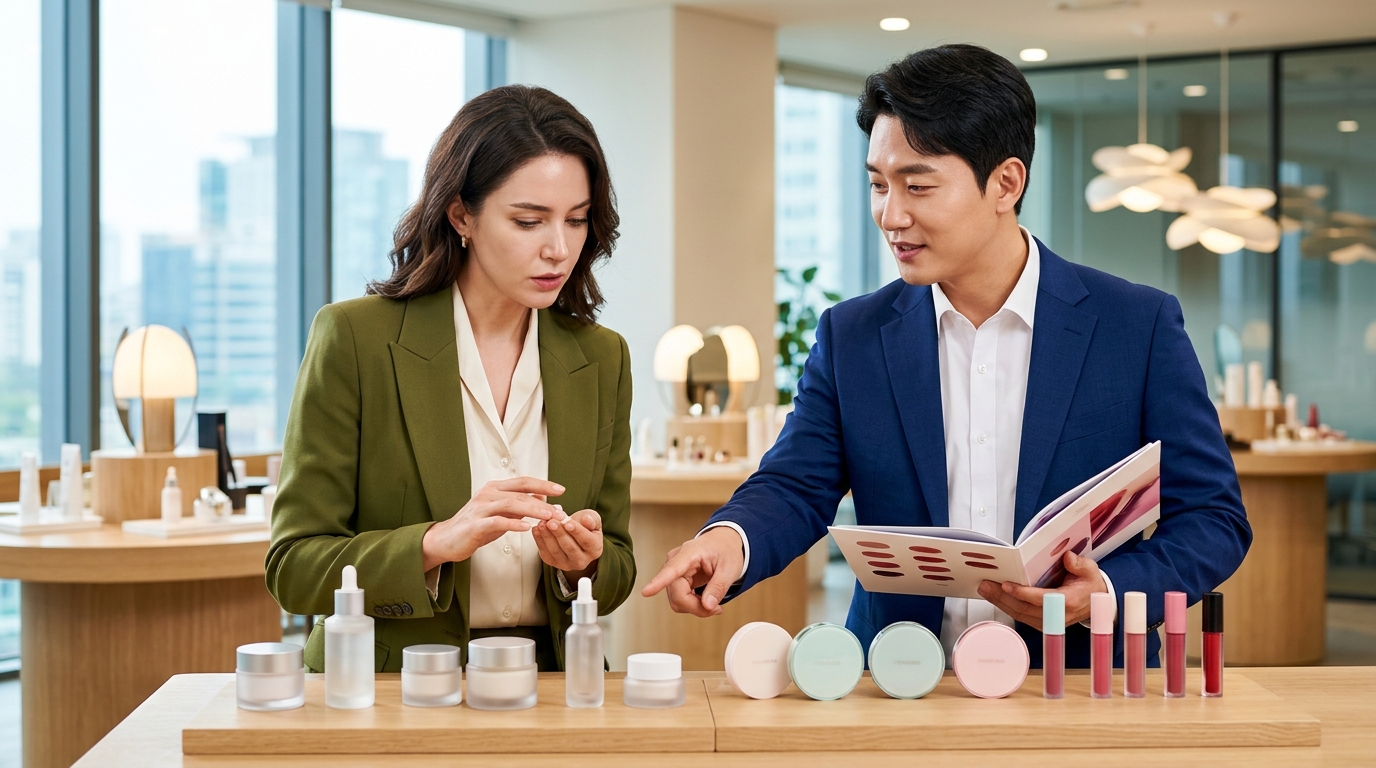
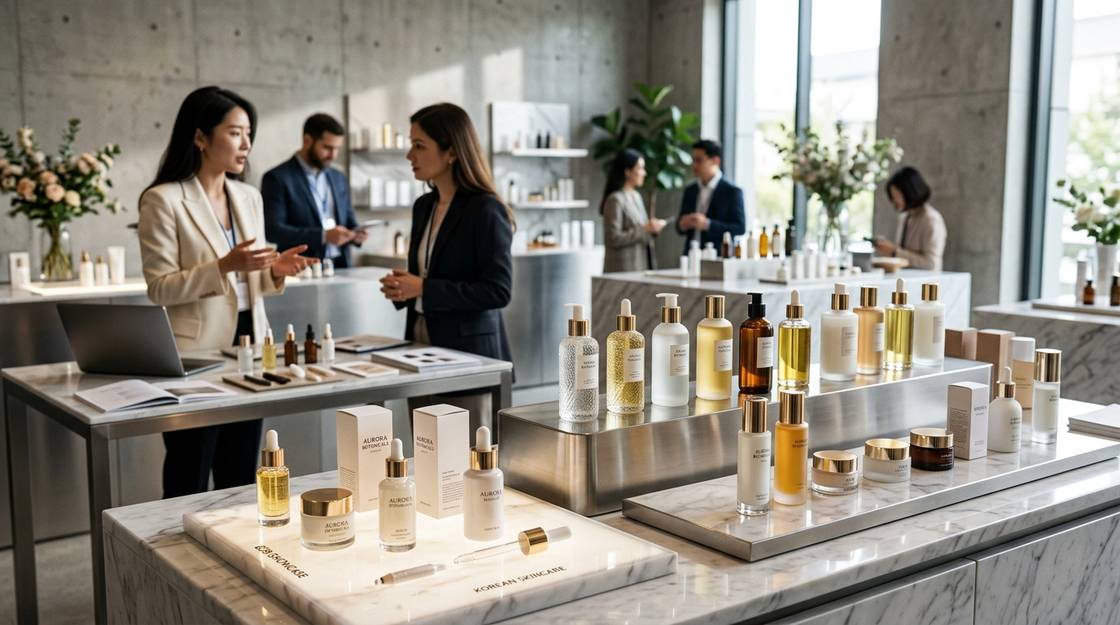
The global demand for Korean beauty continues to surge. To succeed in the highly competitive US market, distributors need reliable partners. You can browse verified K-beauty suppliers to check current catalog trends.
Key trends in 2026 focus heavily on clean, vegan formulations and high-performance skincare. Retailers are prioritizing sustainability in packaging.
A recent consumer shift indicates that hyper-personalized skincare is driving the bulk of import volumes. Indie brands are leading this growth.
Understanding OEM, ODM, and Brand-Direct Partners
When sourcing from South Korea, you must choose between Original Equipment Manufacturer (OEM), Original Design Manufacturer (ODM), and Brand-Direct options.
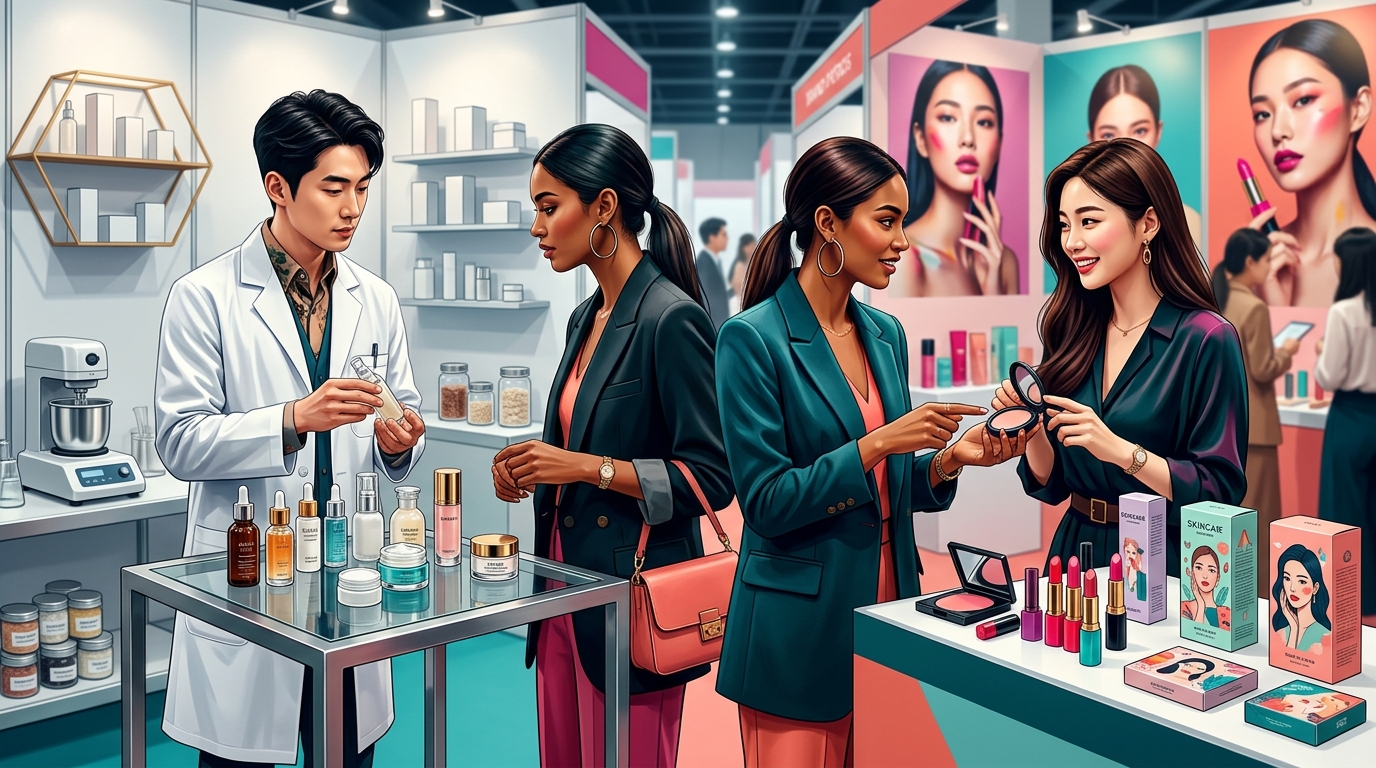
ODM companies design and manufacture formulations, allowing buyers to private-label ready-made products. OEM partners focus purely on assembly and production based on your exact specifications.
For instance, a leading Korean skincare manufacturer recently helped a US retailer launch a targeted acne-care line. By utilizing existing ODM formulations, they saved nine months of development time.
Alternatively, buying direct from established brands provides faster market entry. You can learn how AAMOND Beauty works for buyers looking to explore both pathways easily.
Critical Product Categories Dominating 2026 Exports
Sun care remains the most lucrative category. Next-generation UV filters and hybrid, serum-like sunscreens dominate the market.
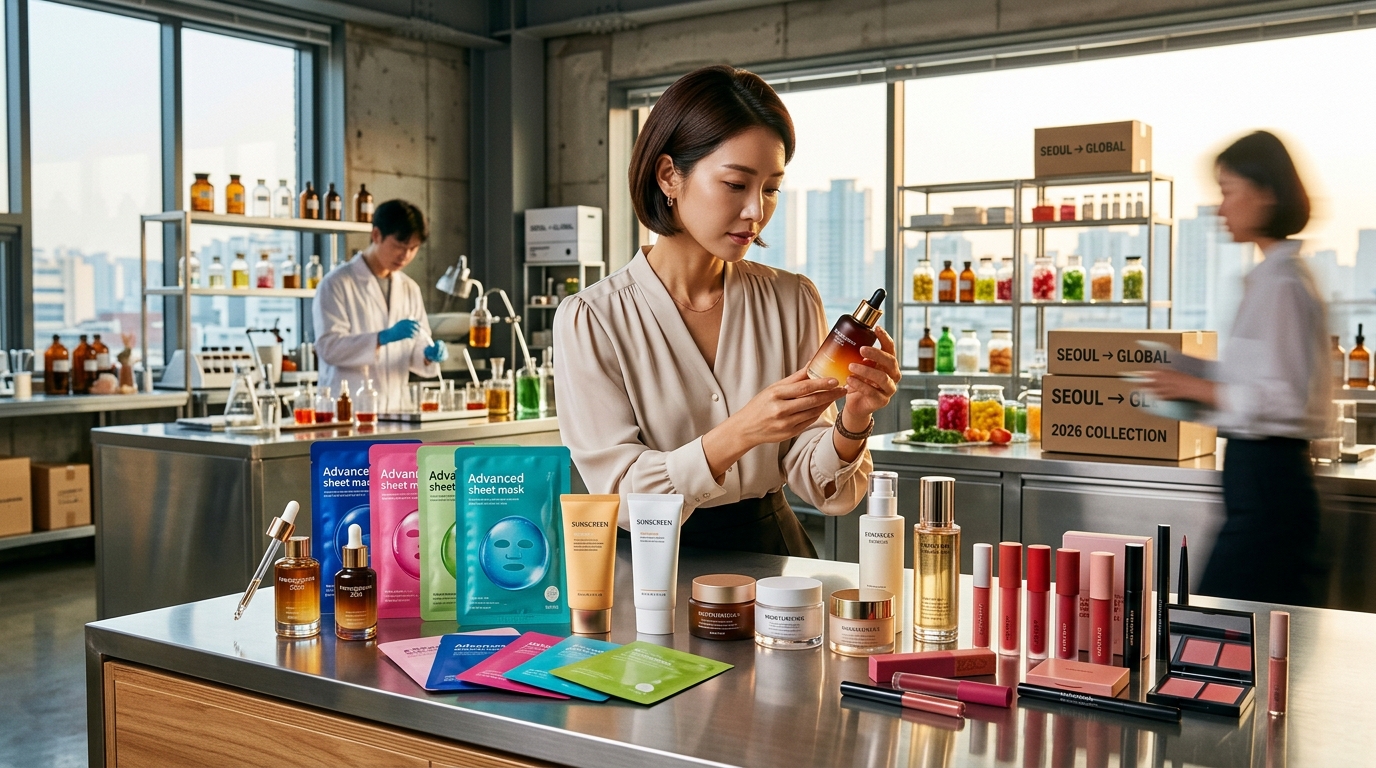
Barrier repair formulations containing fermented ingredients also drive high import volumes. Consumers demand highly active, gentle complexes.
Finally, functional skin-makeup hybrids, such as tinted serum foundations, are seeing massive B2B wholesale demand across North America.
Navigating US Regulations: FDA MoCRA Compliance
Compliance is non-negotiable for US importers. Under the Modernization of Cosmetics Regulation Act (MoCRA), all facilities must register with the FDA.

According to Korea's Ministry of Food and Drug Safety (MFDS), cosmetics exports to the US surged by over 24% in recent years, prompting rapid regulatory alignment.
One MoCRA-registered supplier noted that preparing safety substantiation dossiers early reduced customs clearance delays by 40% at US ports of entry.
Your partner must provide full product listing details and designate a US agent for adverse event reporting. Ensure these terms are in your contract.
Best Practices for Verifying Korean Manufacturing Partners
Never skip verification. Ensure your supplier holds ISO 22716 certification for Good Manufacturing Practices (GMP). This is standard for international export.
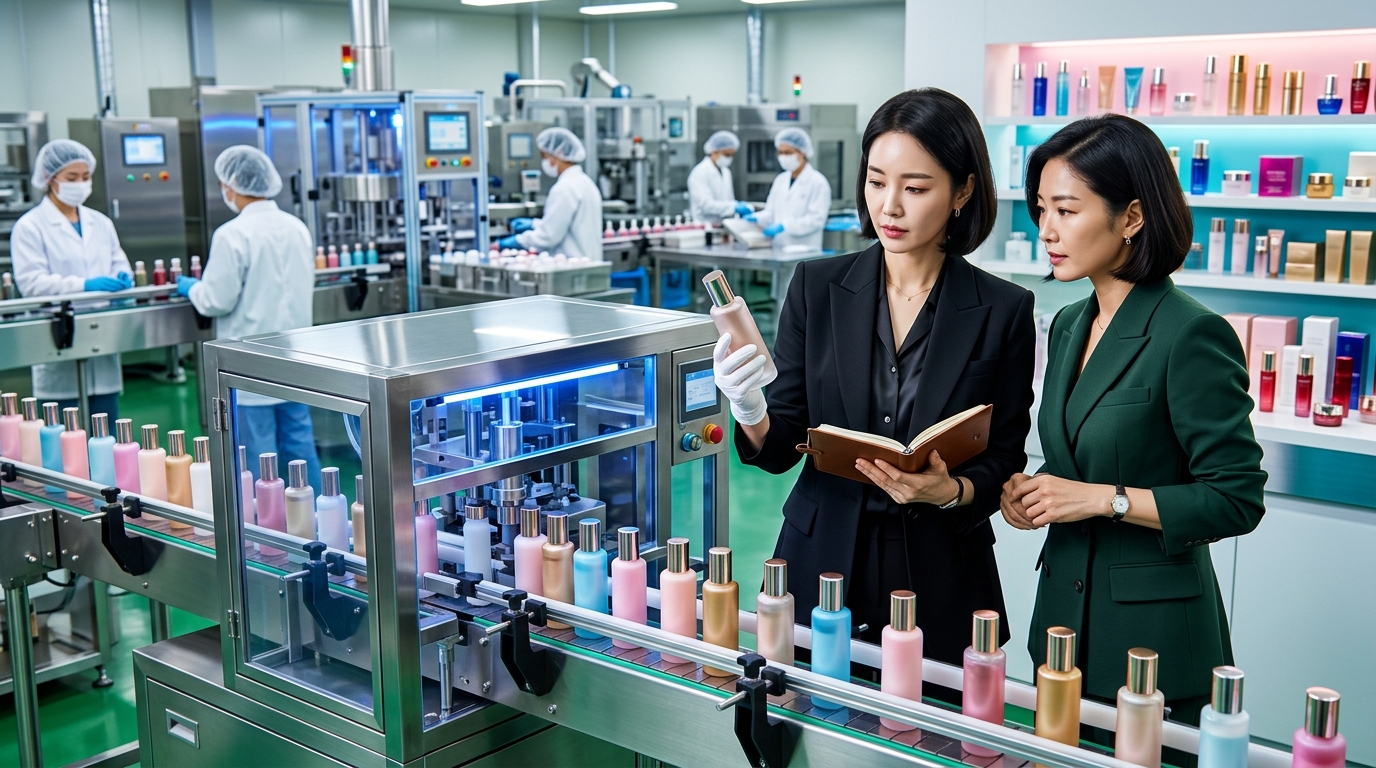
Confirm their minimum order quantities (MOQs). While top-tier ODMs often require 5,000 to 10,000 units per SKU, smaller suppliers may offer flexible terms.
We recommend using third-party verification agencies to audit factories. This process ensures compliance with both MFDS standards and US FDA rules.
Streamline Your K-Beauty Sourcing with AAMOND Beauty
Navigating overseas logistics, customs clearance, and compliance verification can be overwhelming for individual buying teams.
AAMOND Beauty simplifies this process. We connect retail buyers with vetted exporters, offering transparent lead times and verified documentation.
To start sourcing efficiently, you can submit a sourcing request and let our dedicated team match you with the right suppliers.
Securing reliable Korean cosmetics suppliers is key to scaling your inventory in 2026. Partner with vetted manufacturers to protect your brand reputation. Start your sourcing request today.
Q: Do Korean cosmetics suppliers comply with FDA MoCRA regulations?
Yes, many leading suppliers have registered their manufacturing facilities with the US FDA and listed their products. It is essential to confirm this status before signing distribution agreements.
Q: What is the typical MOQ when sourcing directly from Korean cosmetics manufacturers?
Minimum order quantities typically range from 3,000 to 10,000 units per formulation for custom ODM/OEM products. Finished brand-direct products often feature lower MOQs.
Q: How long does the shipping and customs process take from South Korea to the US?
Ocean freight takes about 3 to 5 weeks depending on the US destination port. Air express shipping takes 3 to 7 days, though it is more costly for bulk cosmetics shipments.