Korean cosmetics wholesale suppliers: Brand, OEM, or Trader
Find reliable Korean cosmetics wholesale suppliers. Learn the difference between brand owners, OEMs, and trading companies to optimize your supply chain.
On this page
Demystifying Korean cosmetics wholesale suppliers: Three Key Players
The K-beauty export market consists of brand owners, manufacturing plants (OEMs/ODMs), and trading companies. Each player offers distinct advantages and drawbacks depending on your business model, import volume, and compliance needs.
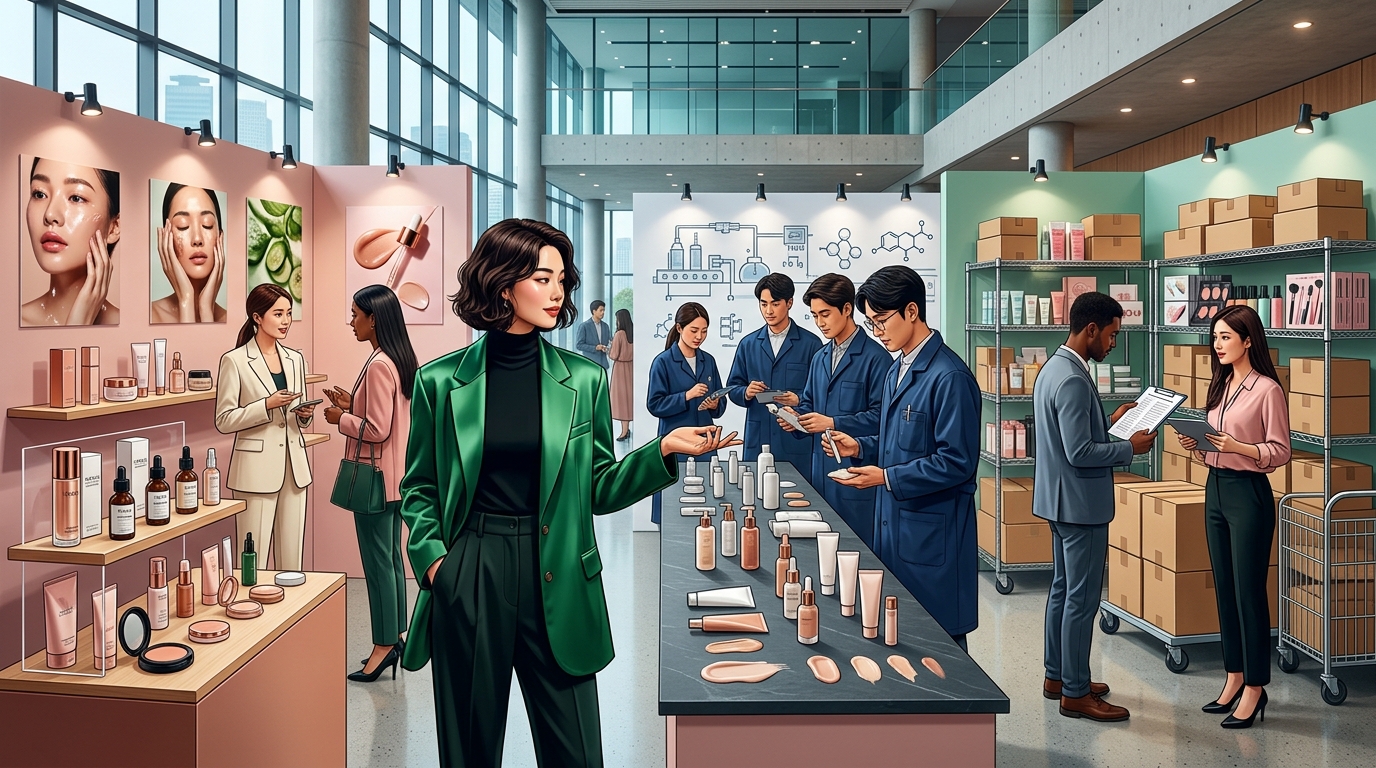
Identifying your supplier type directly impacts your profit margins, logistical lead times, and legal liabilities. Underestimating these differences often leads to customs delays or margin erosion, especially when shipping to strictly regulated markets like the US or EU.
Buying Directly from K-Beauty Brand Owners
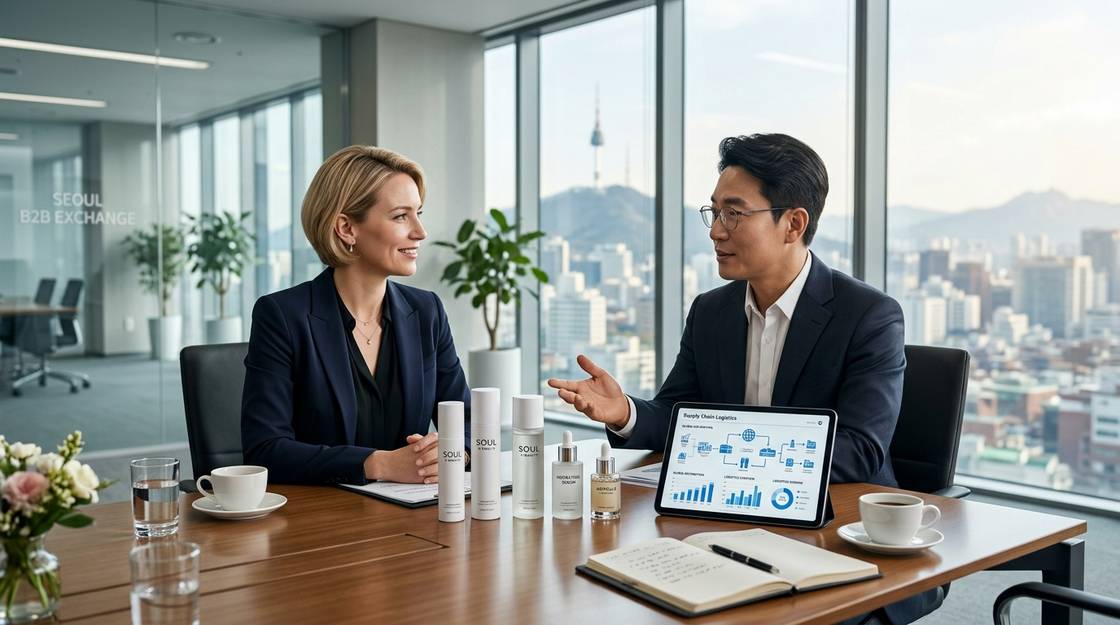
Purchasing directly from brand owners guarantees 100% product authenticity and provides access to official marketing assets. You get direct support for product launches and can build a long-term relationship with the brand itself.
However, brand owners often impose high Minimum Order Quantities (MOQs) and rigid pricing structures. They may also have existing territory exclusivity agreements that prevent them from selling to you. This route is best for large, established distributors ready to commit to bulk annual contracts.
If you want to bypass intermediaries and establish direct brand relationships, you can browse verified K-beauty suppliers on AAMOND Beauty to find official brand channels that match your distribution scale.
Partnering with Korean Cosmetics OEMs and ODMs
If you want to build a custom skincare line, partnering with Original Equipment Manufacturers (OEMs) or Original Design Manufacturers (ODMs) is the ideal pathway. This option gives you complete ownership of your product formulations and brand identity.
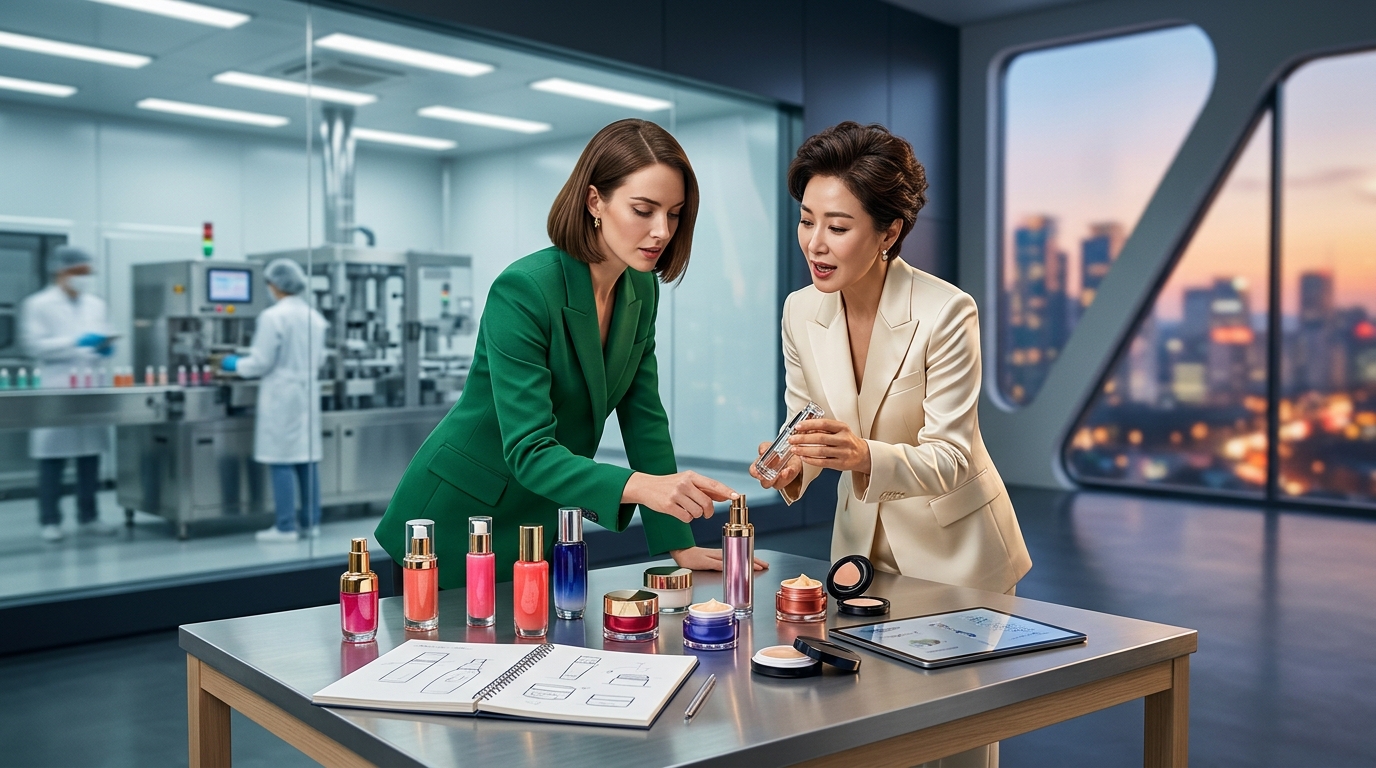
Korea houses world-class cosmetic R&D facilities like Cosmax and Kolmar. These manufacturers operate under strict ISO 22716 Good Manufacturing Practices (GMP) guidelines, ensuring top-tier safety and quality standards that meet global regulatory demands.
One Korean skincare manufacturer under ISO 22716 guidelines recently helped an American retail chain launch a custom clean-beauty line in under six months. However, be prepared for high upfront development costs and long formulation testing cycles before production begins.
Working with Korean Skincare Trading Companies
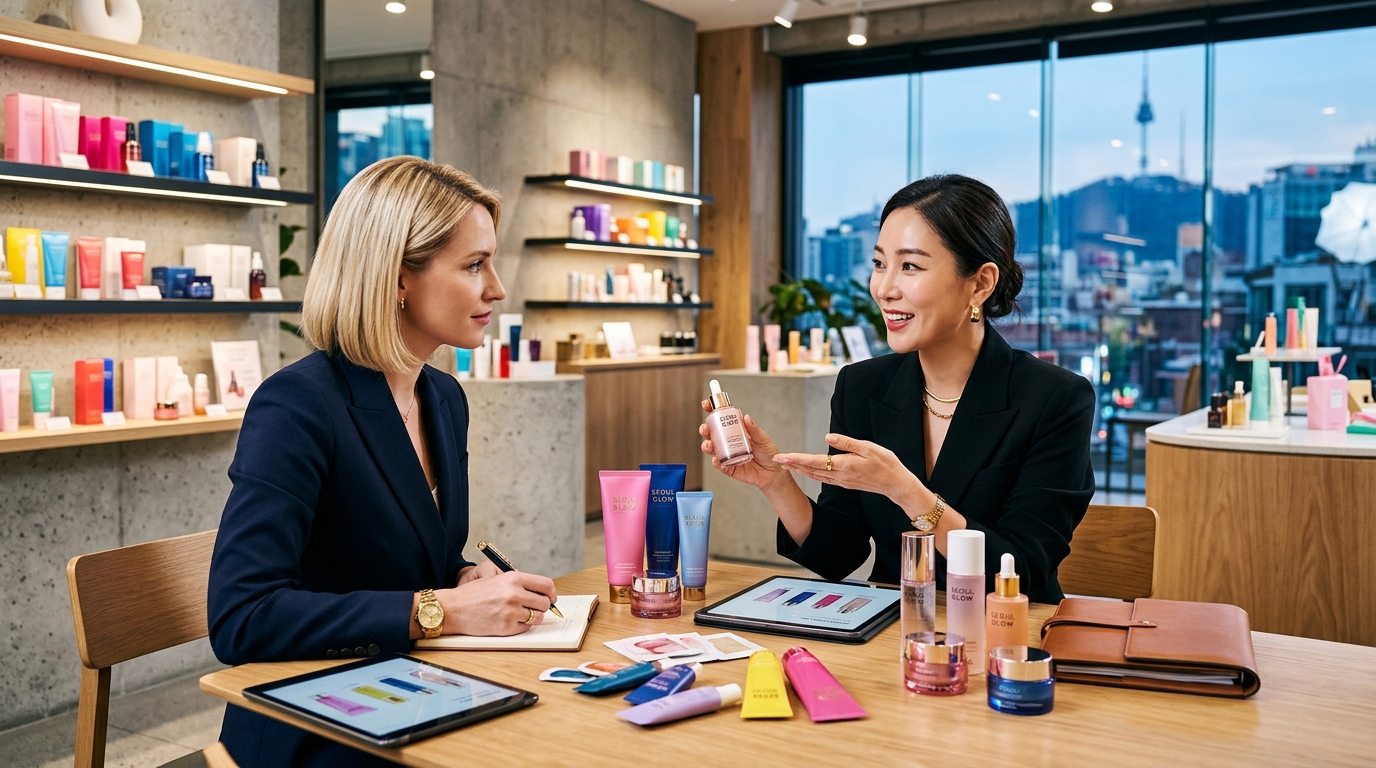
Trading companies act as intermediaries, sourcing products from multiple brands and consolidating them into a single shipment. They offer incredible flexibility, lower MOQs, and highly negotiable payment terms for emerging businesses.
The downside includes lower profit margins and a lack of direct marketing support from the brand. There is also an increased risk of sourcing unverified gray-market stock if you do not perform rigorous background checks on the trading entity.
Trading partners are best suited for small-to-medium e-commerce platforms testing the market with diverse SKUs. If you need help negotiating with these entities, you can easily submit a sourcing request to get competitive quotes from verified partners.
US MoCRA and FDA Compliance by Supplier Type
According to Korea's Ministry of Food and Drug Safety (MFDS), cosmetics exports have surged globally. However, the introduction of the US Modernization of Cosmetics Regulation Act (MoCRA) has dramatically changed the compliance landscape for US importers.
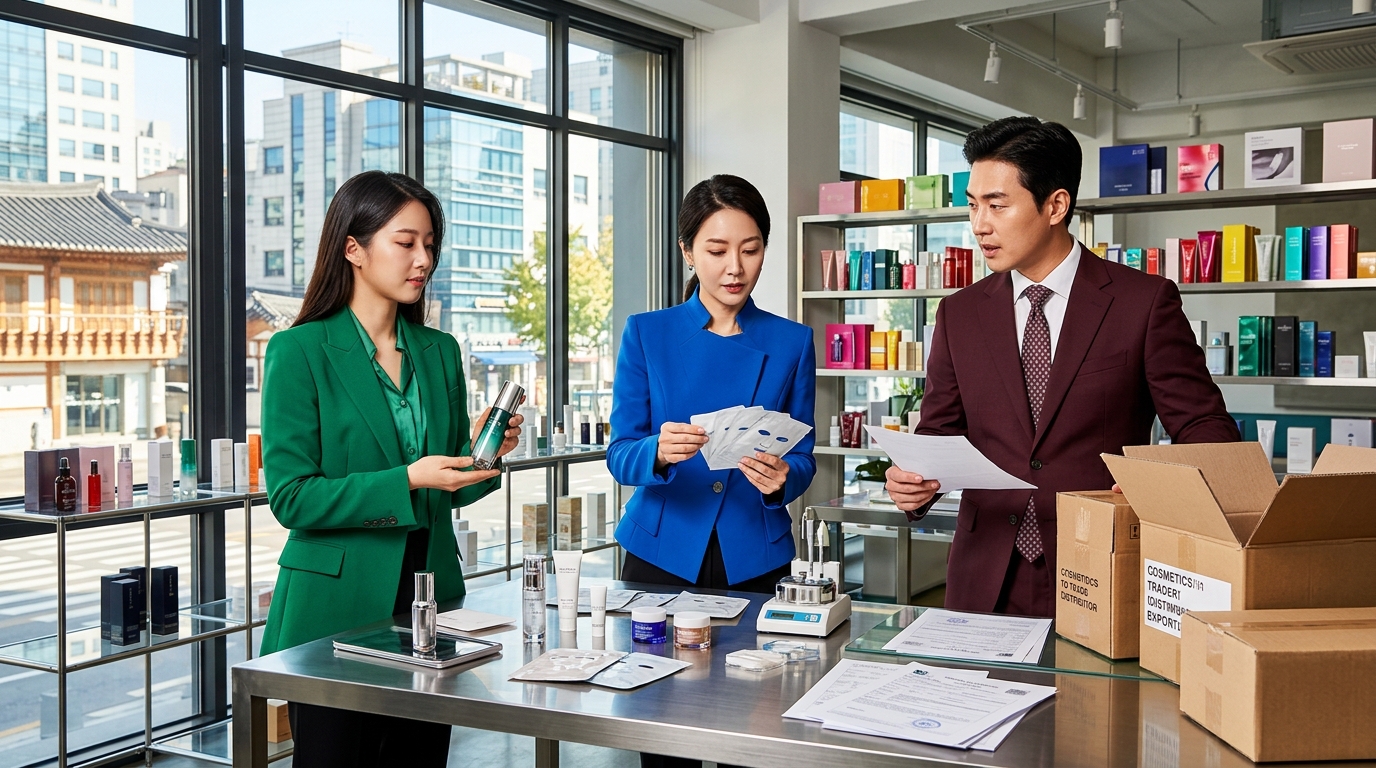
Under MoCRA, every cosmetic product sold in the US must have a designated "Responsible Person" and a registered facility. Trading companies often struggle to provide the required formulation safety dossiers because they do not own the manufacturing intellectual property.
A recent MoCRA-registered supplier found that working with an unauthorized trading company delayed their US FDA listing by months due to missing manufacturer facility registration numbers. Direct brand owners or OEMs are much better equipped to provide these critical compliance documents.
How to Choose the Right K-Beauty Partner
To choose the right partner, evaluate your volume capacity, target market, and compliance capabilities. Always verify business registration certificates and factory licenses before wire-transferring funds. Working with verified networks minimizes these operational risks.
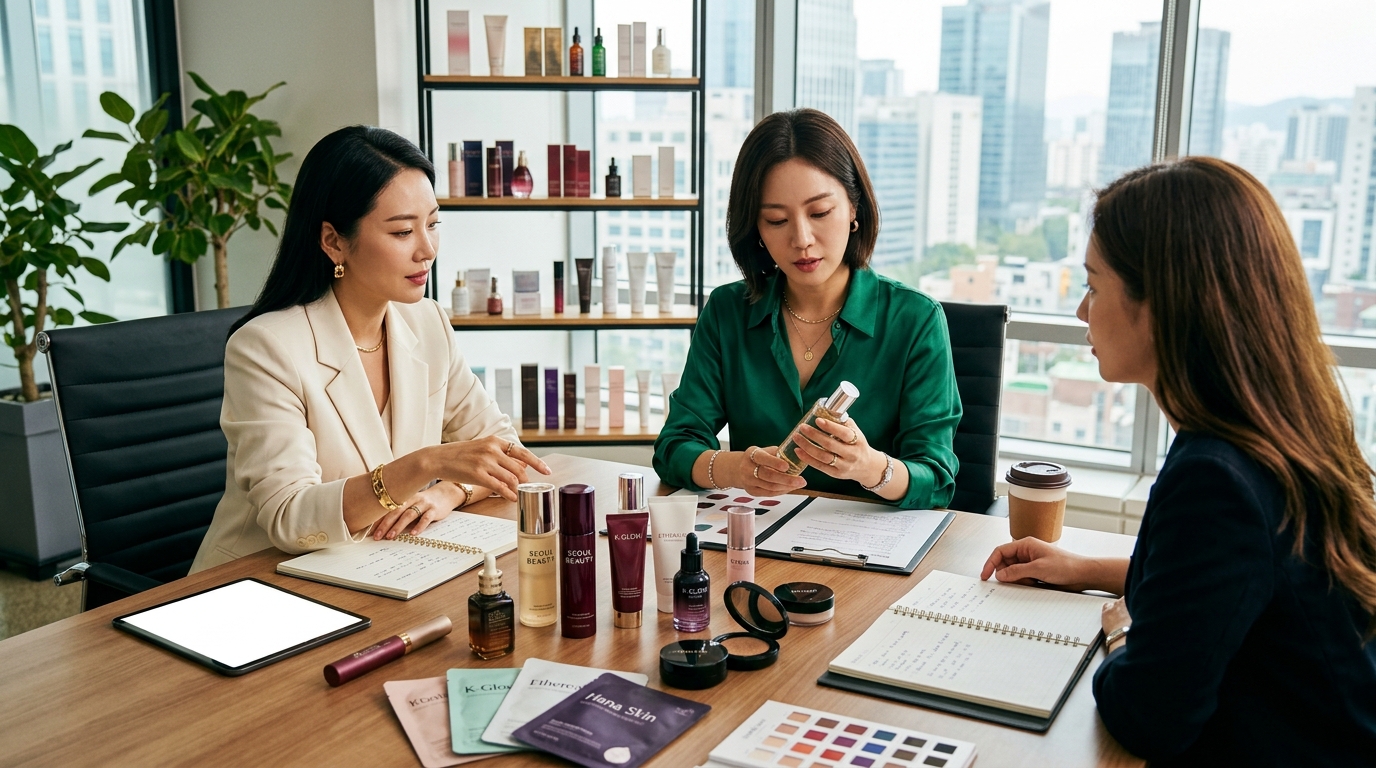
B2B platforms like AAMOND Beauty connect overseas buyers directly with verified Korean cosmetics wholesale suppliers. We simplify the verification process so you can source premium K-beauty inventory with absolute confidence. Start your sourcing request today.
Frequently Asked Questions
Q: Is it always cheaper to buy K-beauty products directly from the brand owner?
Not necessarily. While brand owners offer the lowest unit prices, their high MOQs require significant upfront capital. Trading companies or wholesale distributors can be more cost-effective for smaller orders due to lower MOQ thresholds and combined shipping options.
Q: What is the difference between OEM and ODM in Korean cosmetics manufacturing?
An OEM (Original Equipment Manufacturer) manufactures products based strictly on formulas provided by the client. An ODM (Original Design Manufacturer) designs, formulates, and manufactures the product themselves, allowing clients to select pre-made formulas and put their own branding on them.
Q: How does MoCRA affect US importers purchasing from Korean trading companies?
MoCRA requires strict facility registration and product listing with the FDA. If you buy from a trading company, ensure they can obtain the necessary facility registration numbers and safety substantiation dossiers directly from the actual manufacturer, as trading companies do not typically possess these documents themselves.